Pickup:Hotel in New Delhi/NCR, Gurugram and New Delhi Airport
Return Point:Hotel in New Delhi/NCR, Gurugram and New Delhi Airport
Maximum Travellers:16
Jaipur full Day private Tour from Delhi
Every traveller in India dreams of visiting Rajasthan’s famed “Pink City, ” but covering all of Jaipur’s sights takes serious planning. During this in-depth sightseeing tour, hit the city’s top highlights in a single day, from the sandstone palace complex of Amber Fort to the iconic beehive facade of the Hawa Mahal. Hotel transfers are included, so you can settle back and enjoy the ride.
All private hotel transfers are included
Explore the Pink City with a guide
Marvel, at the world's largest stone astronomical observatory
See the city's sights in a day, from Amber Fort to Hawa Mahal
Every traveller in India dreams of visiting Rajasthan’s famed “Pink City; ” but covering all of Jaipur’s sights takes serious planning.
During this in-depth sightseeing tour; hit the city’s top highlights in a single day; from the sandstone palace complex of Amber Fort to the iconic beehive facade of the Hawa Mahal.
Hotel transfers are included; so you can settle back and enjoy the ride.
All private hotel transfers are included
Explore the Pink City with a guide
Marvel; at the world's largest stone astronomical observatory
Includes/Excludes
All departure/arrival & sightseeing by air-conditioned car.
Monument entry tickets (If Option Selected)
Elephant ride at Amber Fort.(If Option Selected)
Lunch (If Option Selected)
Services of English speaking Guide or language guide.
Bottled water while travelling.
English Speaking driver
All the fuel; Parking and toll tax charges
Alcoholic drinks (available to purchase)
Souvenir photos (available to purchase)
Gratuities (Optional)
Bottled Water and Drinks During Lunch
Itinerary
Delhi pickup and drive to Jaipur
Your driver picks you up around 5:00 AM (or a time that suits you, since this is a private tour) for the roughly 4-hour drive to Jaipur, meeting your private guide on arrival at Hawa Mahal. Tip: an early start matters more here than on most day tours — Jaipur's major sites are genuinely far apart, and a private vehicle only helps if the day has enough hours to use it well.
Hawa Mahal photo stop
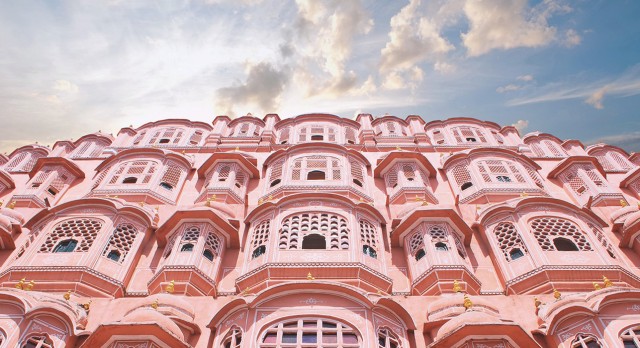
Hawa Mahal, the "Palace of Winds," was built in 1799 with its distinctive five-storey honeycomb facade designed so royal women could observe street life below without being seen — a design answer to the purdah customs of the era. Tip: this is an exterior-only stop; the best photo is from the street directly opposite the facade, and it costs nothing extra to linger here since there's no ticketed entry involved.
Amber Fort visit
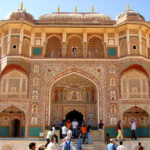
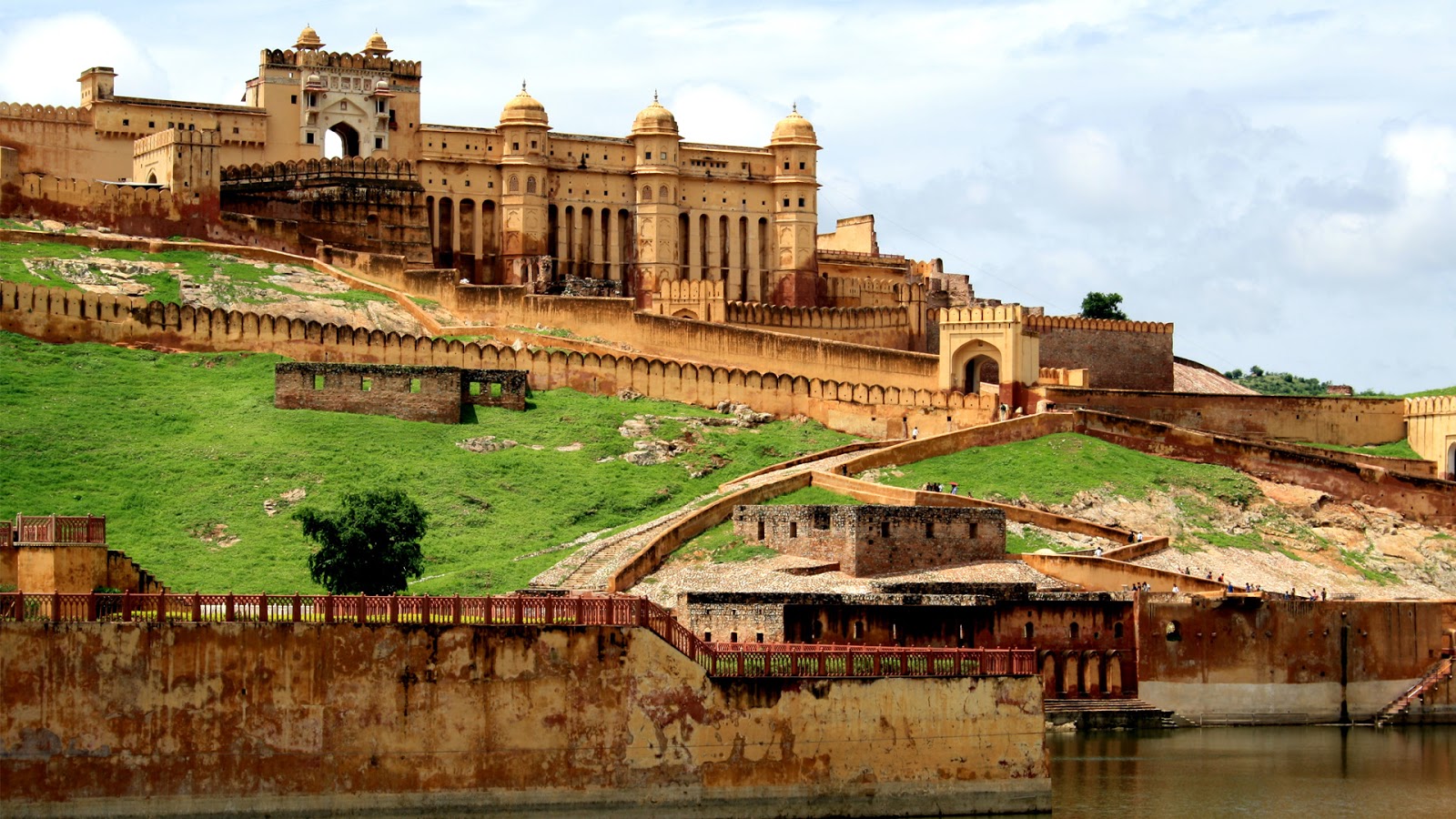
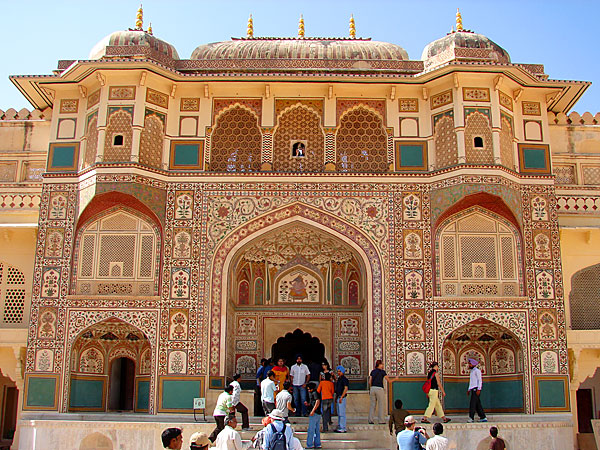
The drive continues to Amber Fort, the Rajput capital that predates Jaipur itself, perched above Maota Lake with its walls spreading across the surrounding Aravalli hills. A jeep or elephant ride carries you to the main gate, where Rajput and Mughal architectural styles merge in spaces like the Sukh Niwas and the mirror-encrusted Sheesh Mahal. Tip: comfortable shoes matter more here than anywhere else on the day — the stone stairways are genuinely uneven. Confirm the jeep/elephant option with your guide before you arrive, since slots fill quickly in peak season.
Jal Mahal photo stop
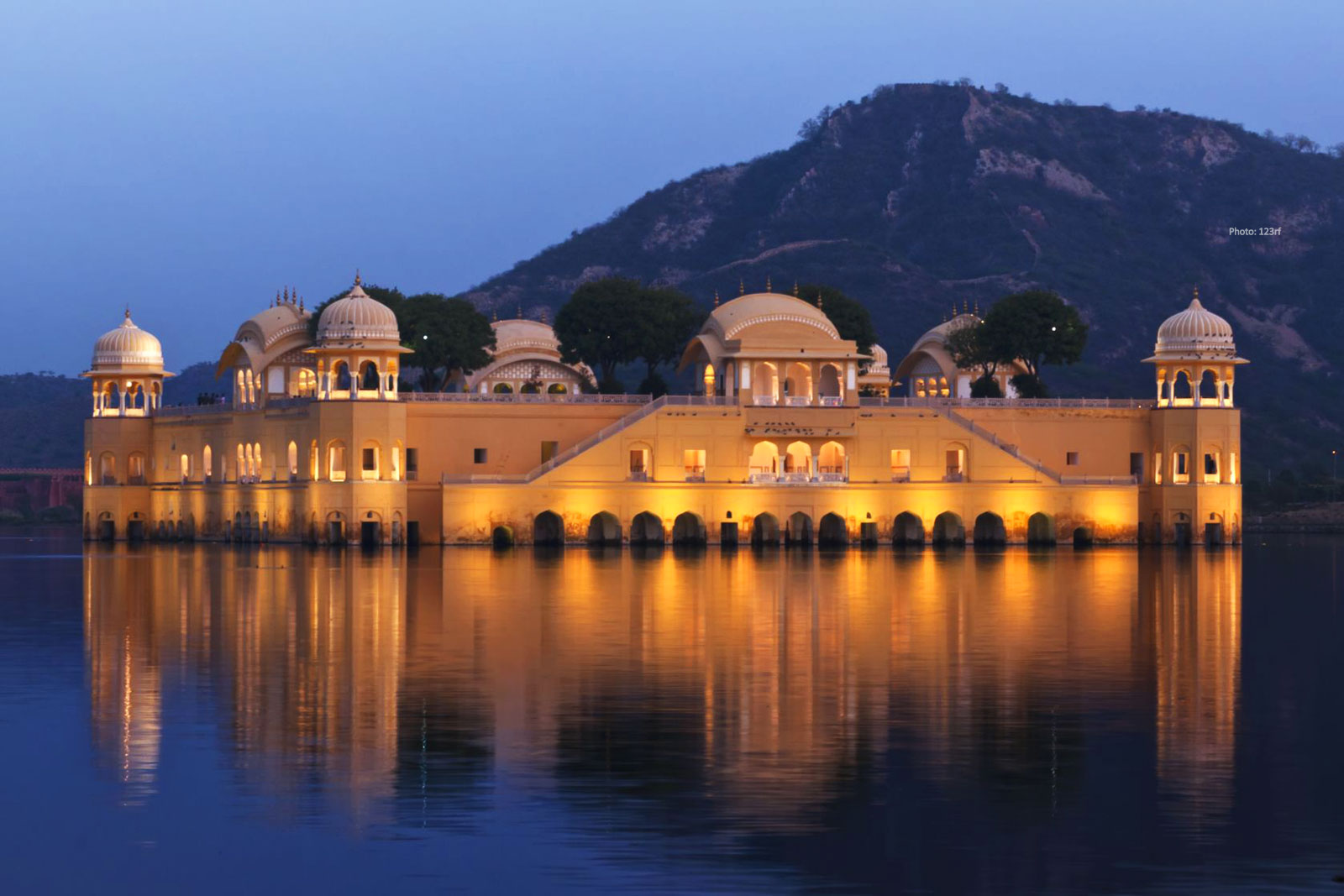
On the way back into the city, the route passes Jal Mahal, the "Water Palace" that appears to float in the middle of Man Sagar Lake — a five-storey structure with four floors submerged, built in the 18th century as a royal duck-hunting retreat. Tip: this is a drive-past photo stop from a roadside viewpoint, not an entry — the best light for the reflection shot is late afternoon rather than midday.
City Palace Museum visit
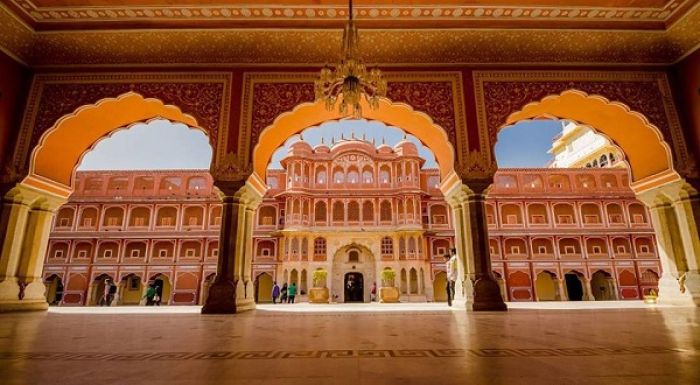
The City Palace houses a museum of Rajasthani royal costumes and a Mughal-Rajput armoury built up across generations of shifting alliances between the two powers, alongside a gallery of miniature paintings, carpets, and astronomical manuscripts in Arabic, Persian, Latin, and Sanskrit. Tip: indoor and air-conditioned — a natural place to slow the pace down if the day has turned hot by early afternoon.
Jantar Mantar Observatory visit and return to Delhi
Built by Jaipur's founder, Maharaja Jai Singh II, in the 18th century, the observatory's stone instruments were used to track celestial movement and calculate the astrological calendar that governed both royal and religious life — its largest sundial remains accurate to roughly two seconds. From here, the drive returns to Delhi via the national highway. Tip: ask your guide to demonstrate the giant sundial directly rather than just walking past it — most visitors miss how precise the instrument actually is.
Tour Map
Additional Information
Confirmation will be received at time of booking.
Dress code is smart casual. Please dress accordingly for places of worship; shorts or sleeveless tops are not recommended.
Please advise any specific dietary requirements at time of booking.
A moderate amount of walking is involved; comfortable walking shoes and sunglasses/sunscreen are highly recommended.
This tour operates with a maximum of 16 people.
Confirmation will be received at the time of booking
Not wheelchair accessible
Children must be accompanied by an adult
The dress code is smart casual;
A moderate amount of walking is involved please wear comfortable shoes
A current, valid passport is required on the day of travel for all participants
No heart problems or other serious medical conditions
Most travellers can participate
This is a private tour/activity.
Only your group will participate
Cancellation Policy
For a full refund, you must cancel at least 24 hours before the experience’s start time.
If you cancel less than 24 hours before the experience’s start time, the amount you paid will not be refunded.
Any changes made less than 24 hours before the experience’s start time will not be accepted.
Cut-off times are based on the experience’s local time.
Frequently asked questions
How long is Private Full Day Jaipur Tour From Delhi?
The listed duration for this tour is 14 Hours.
Where is pickup available?
Pickup is listed from Hotel in New Delhi/NCR, Gurugram and New Delhi Airport. Drop-off/return point: Hotel in New Delhi/NCR, Gurugram and New Delhi Airport.
What is included in this tour?
The main inclusions include All departure/arrival & sightseeing by air-conditioned car., Monument entry tickets (If Option Selected), Elephant ride at Amber Fort.(If Option Selected), Lunch (If Option Selected).
Can I choose a different package option?
Yes. Available package options and start times are shown in the booking form when you select a date and number of travelers.
Is advance booking recommended?
Yes. Advance booking is recommended so the tour team can confirm guide, transport, timing, and any selected inclusions.
from$30.00 /person
Make enquiry
Have a question before booking? Message us to learn more.