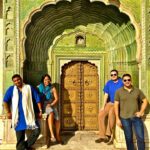
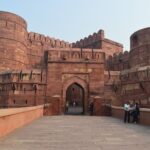
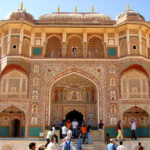
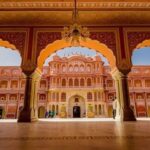
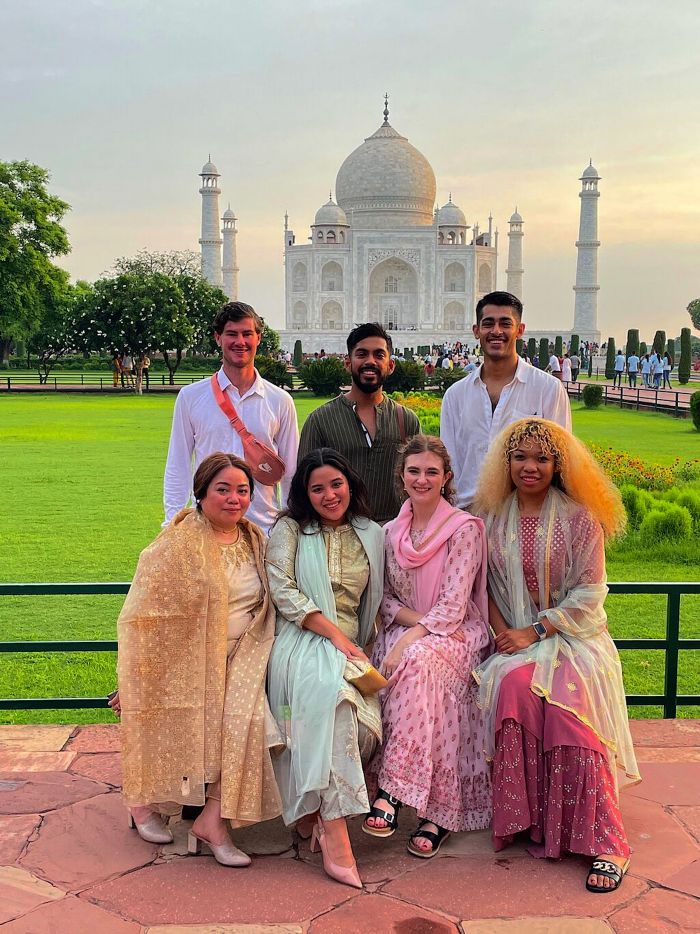
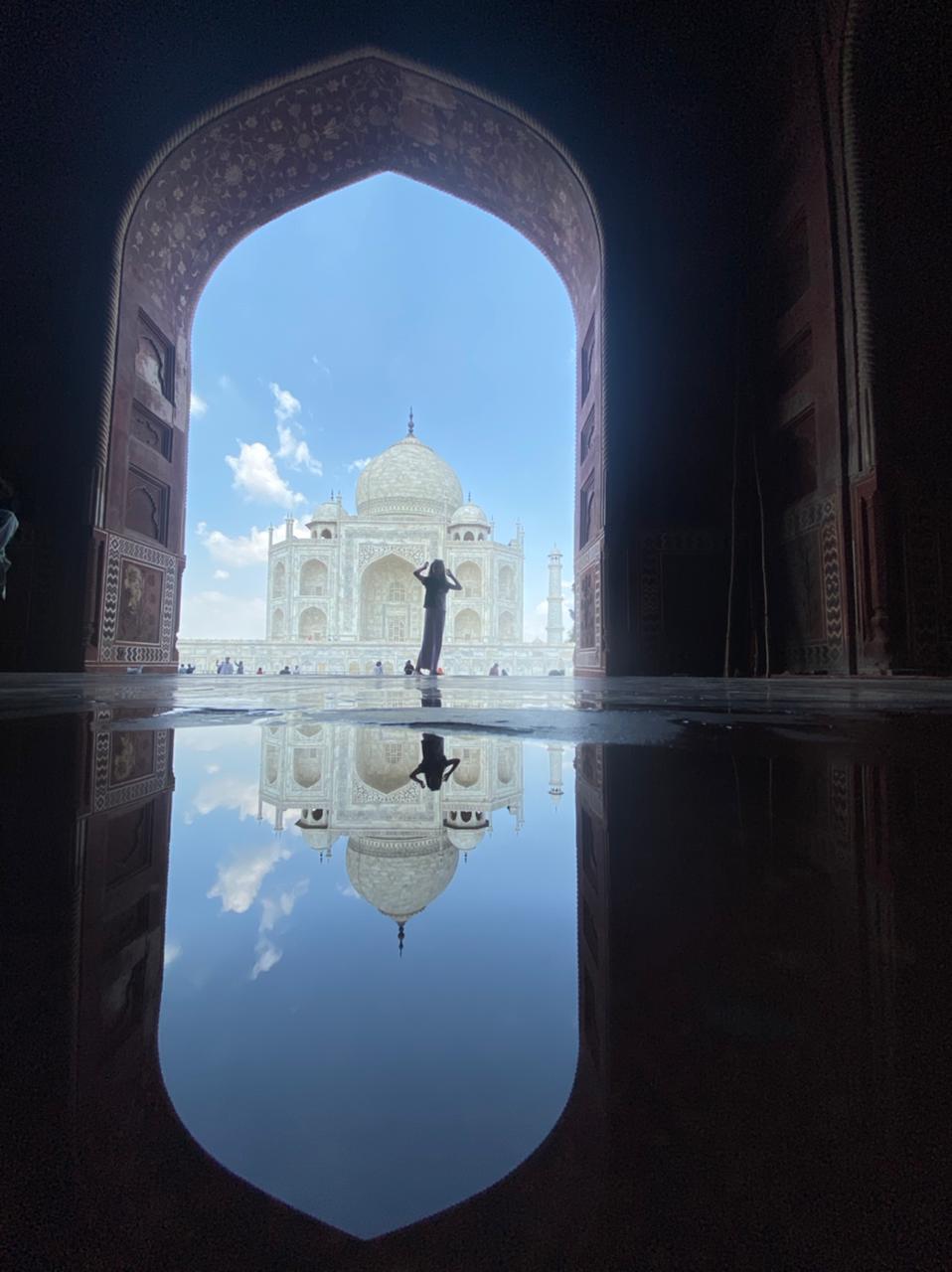
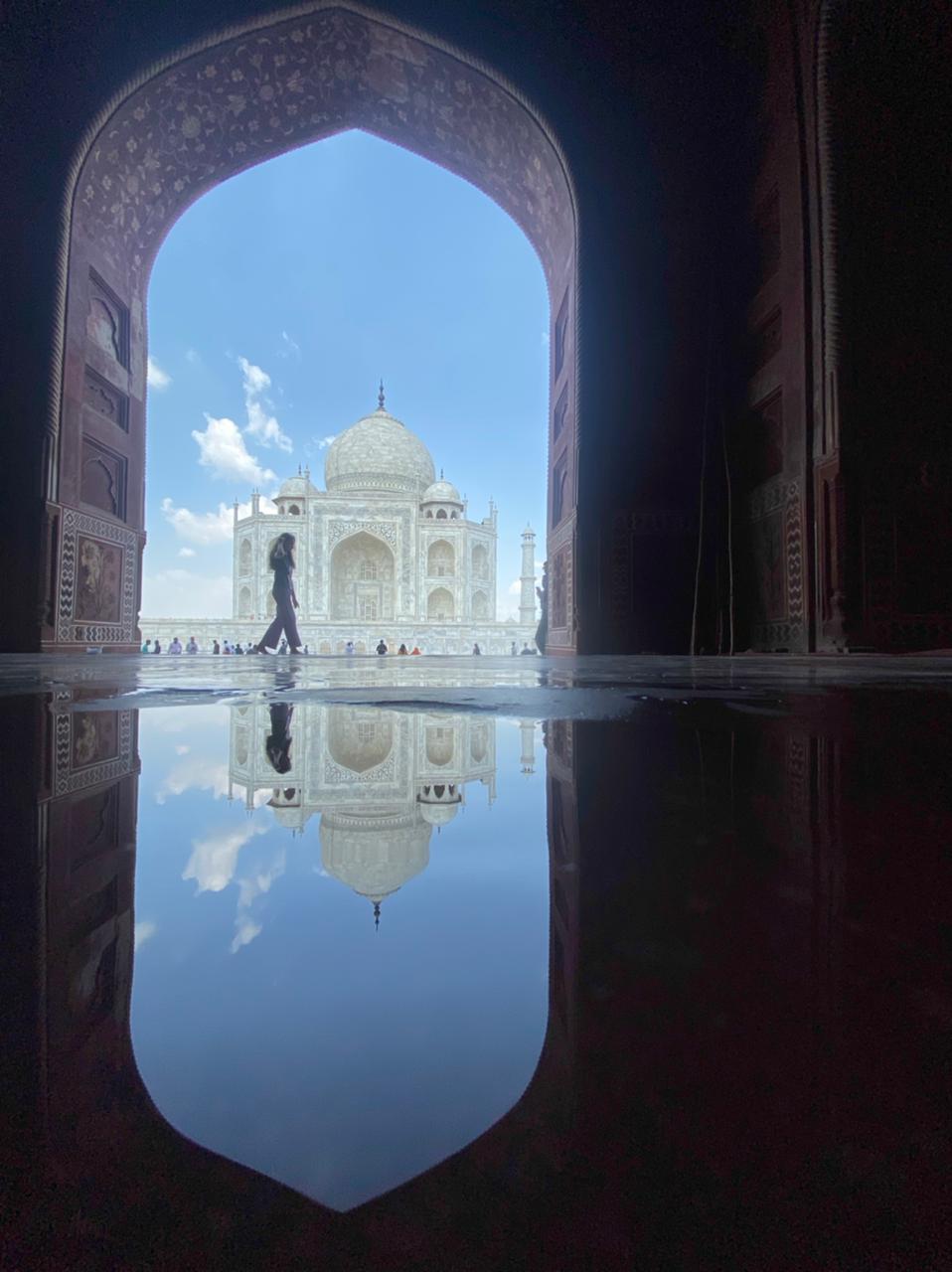
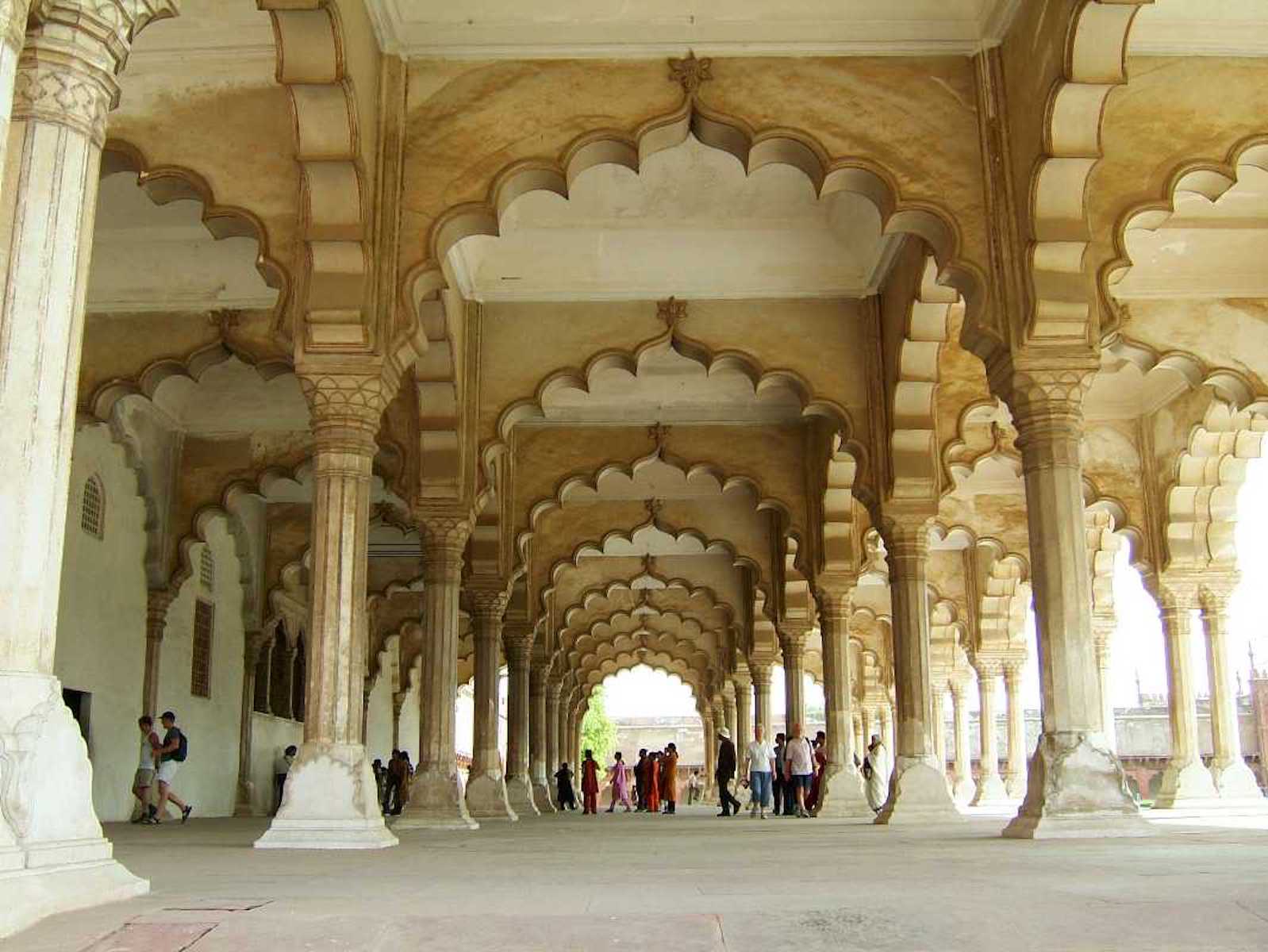
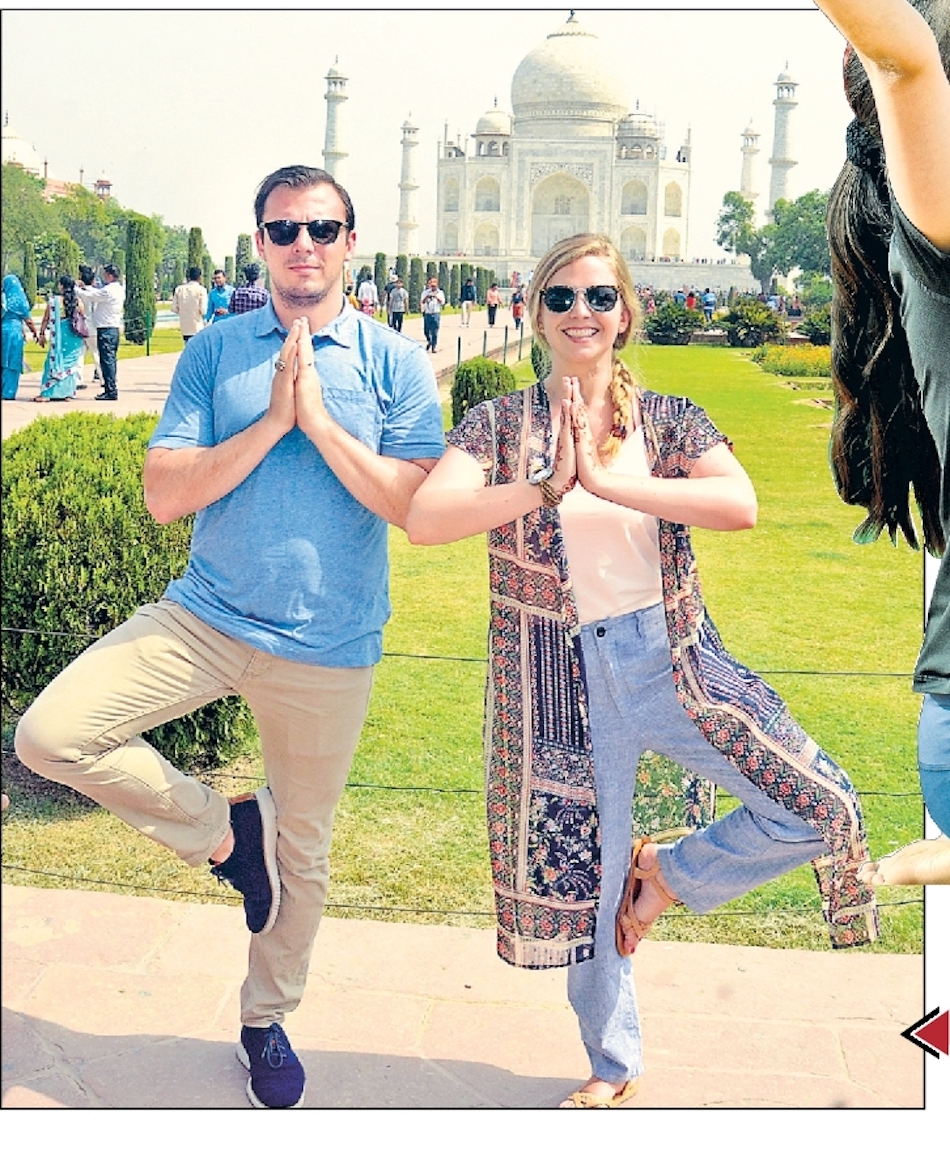
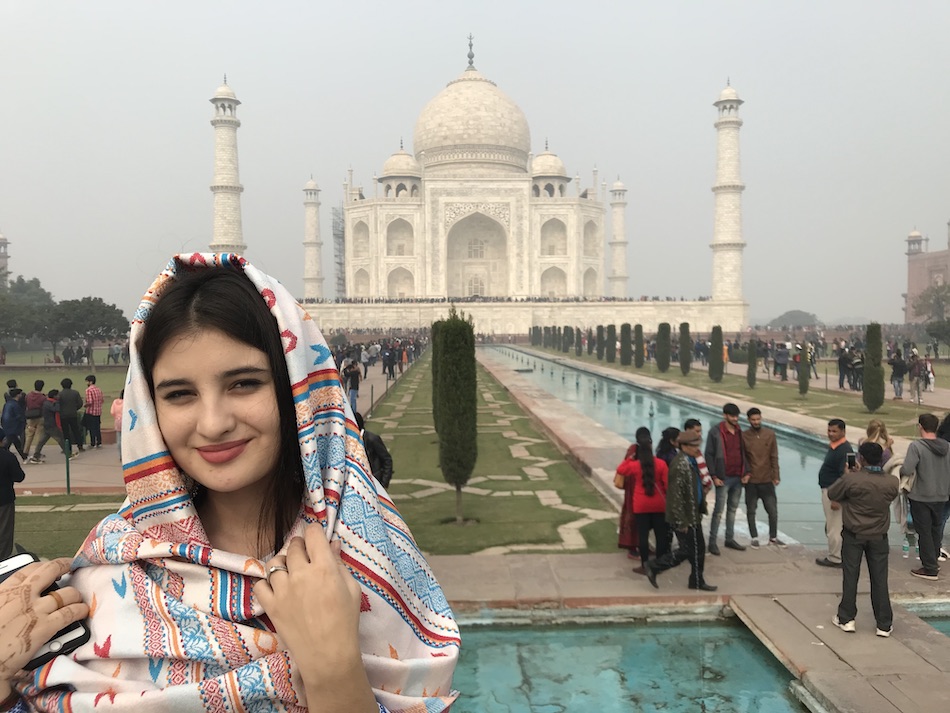
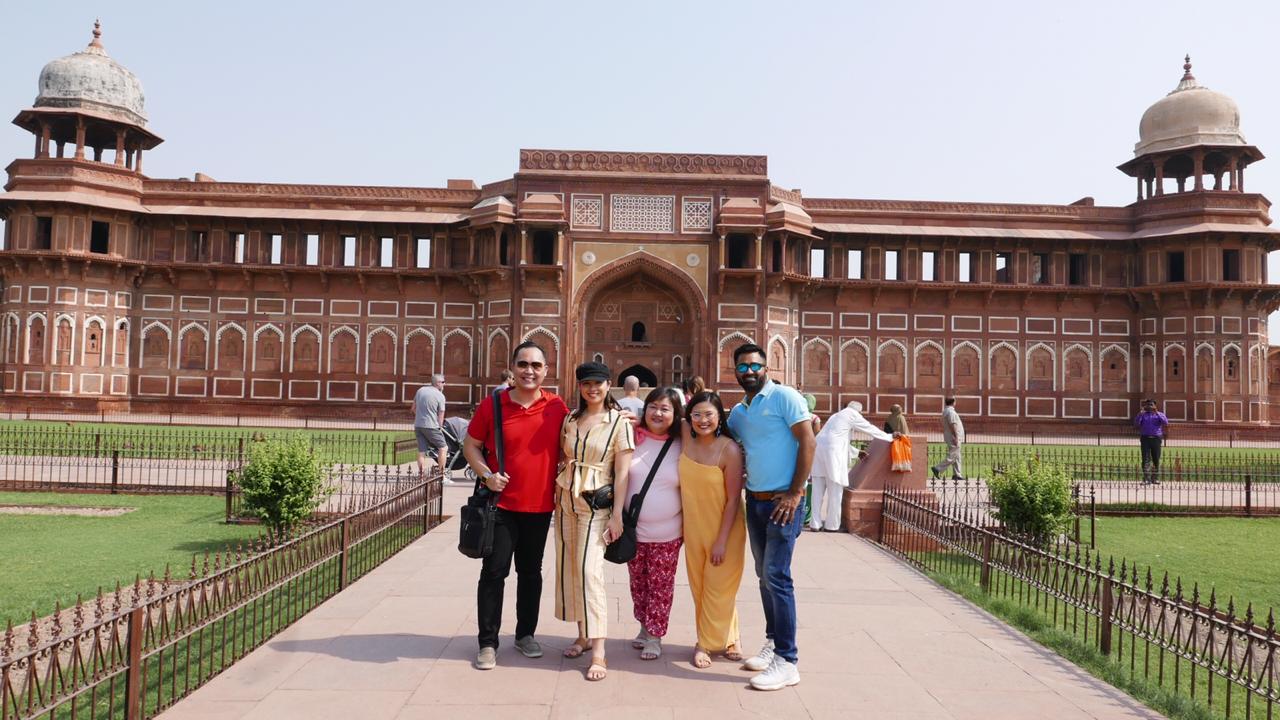
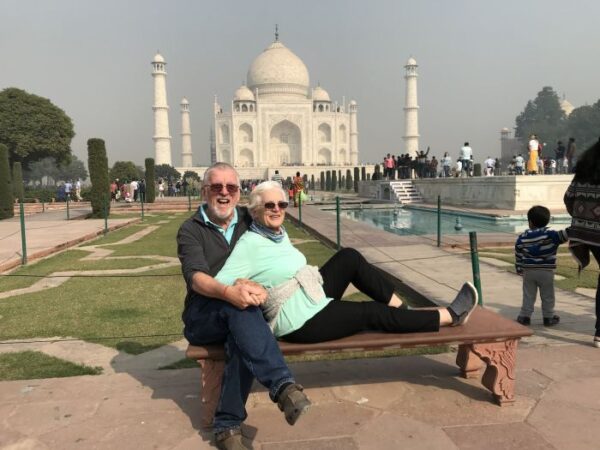
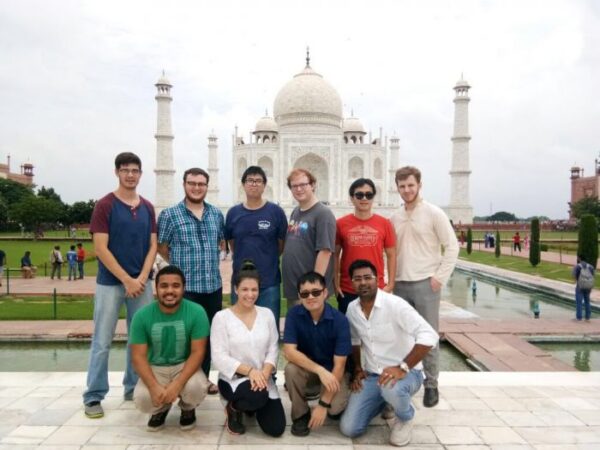
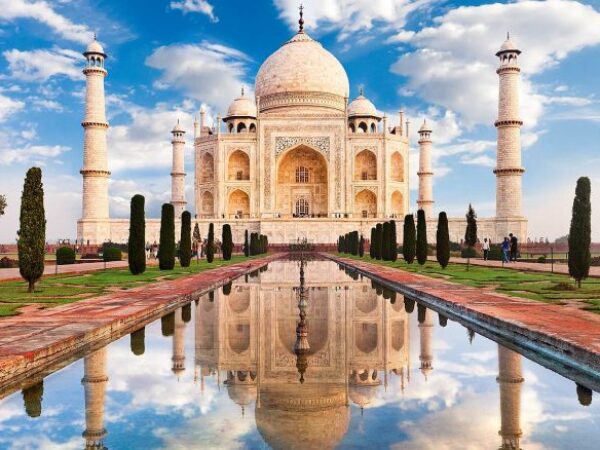
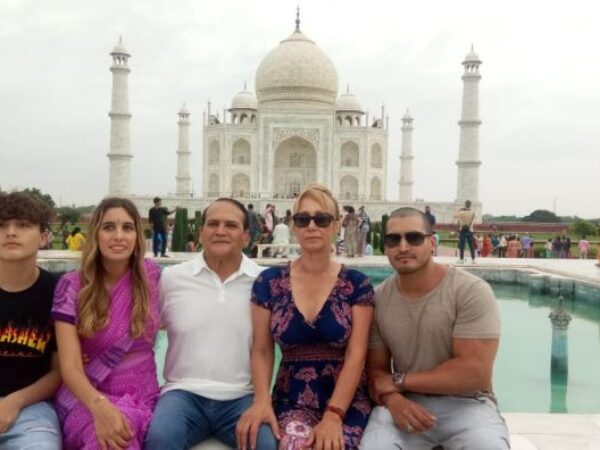
After breakfast, we explore the Agra Fort, an outstanding example of Mughal architecture and stronghold of the Mughal Empire under successive generations. Shah Jahan, the creator of Taj, spent the last years of his life imprisonment awarded by his son Aurangzeb, here. It was built in the late 1560s by their predecessor, Akbar, with later embellishments by Jahangir, his son, and Shah Jahan, his grandson. At the Taj Mahal, the focus is on the monument’s Mughal architecture, white marble symmetry, pietra dura inlay work, charbagh garden alignment, and the story of Emperor Shah Jahan and Mumtaz Mahal. Your guide helps with the best viewing angles, quieter photo spots, entry procedures, and historical details so the visit feels meaningful rather than rushed. Agra Fort adds the political and military chapter of Mughal Agra through its red sandstone walls, audience halls, royal palaces, courtyards, and views connected with Shah Jahan’s final years. Fatehpur Sikri introduces Emperor Akbar’s imperial city, including grand gateways, courtyards, palaces, public audience spaces, and the layered blend of Persian, Hindu, and Indo-Islamic design.