Login to use
Taj Mahal Sunrise Tour With Ranthambore Tiger Safari – All Inclusive
Duration
Group size
No destinations found
You may check out all the available trips and book one that suits you.
Continue Browsing TripsPickup at your chosen time from your Jaipur hotel to begin the day's sightseeing. Tip: choose as early a slot as you're comfortable with — every major stop on this route gets busier as the morning progresses.
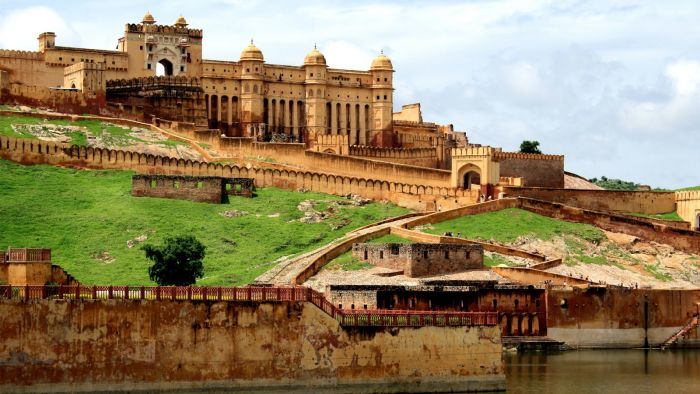
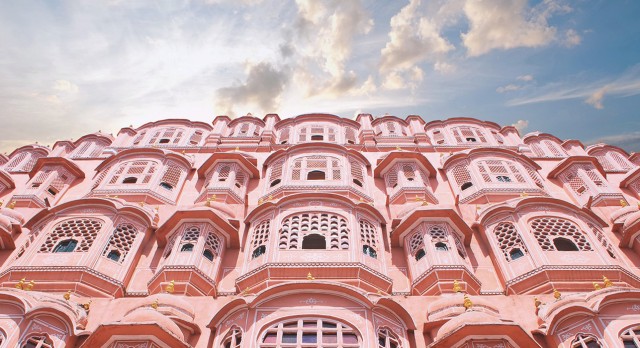
Hawa Mahal, the "Palace of Winds," was built in 1799 with 953 small latticed windows so royal women could observe street life below without being seen from outside — a design answer to the purdah customs that restricted women from appearing in public. From here, the drive continues to Amber Fort, the Rajput capital that predates Jaipur itself, perched above Maota Lake with its ruins spread across the surrounding Aravalli hills. Tip: this is an exterior-only photo stop at Hawa Mahal — no ticket needed, and the best shot is from the street directly opposite the façade.

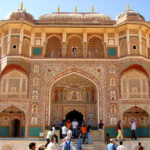
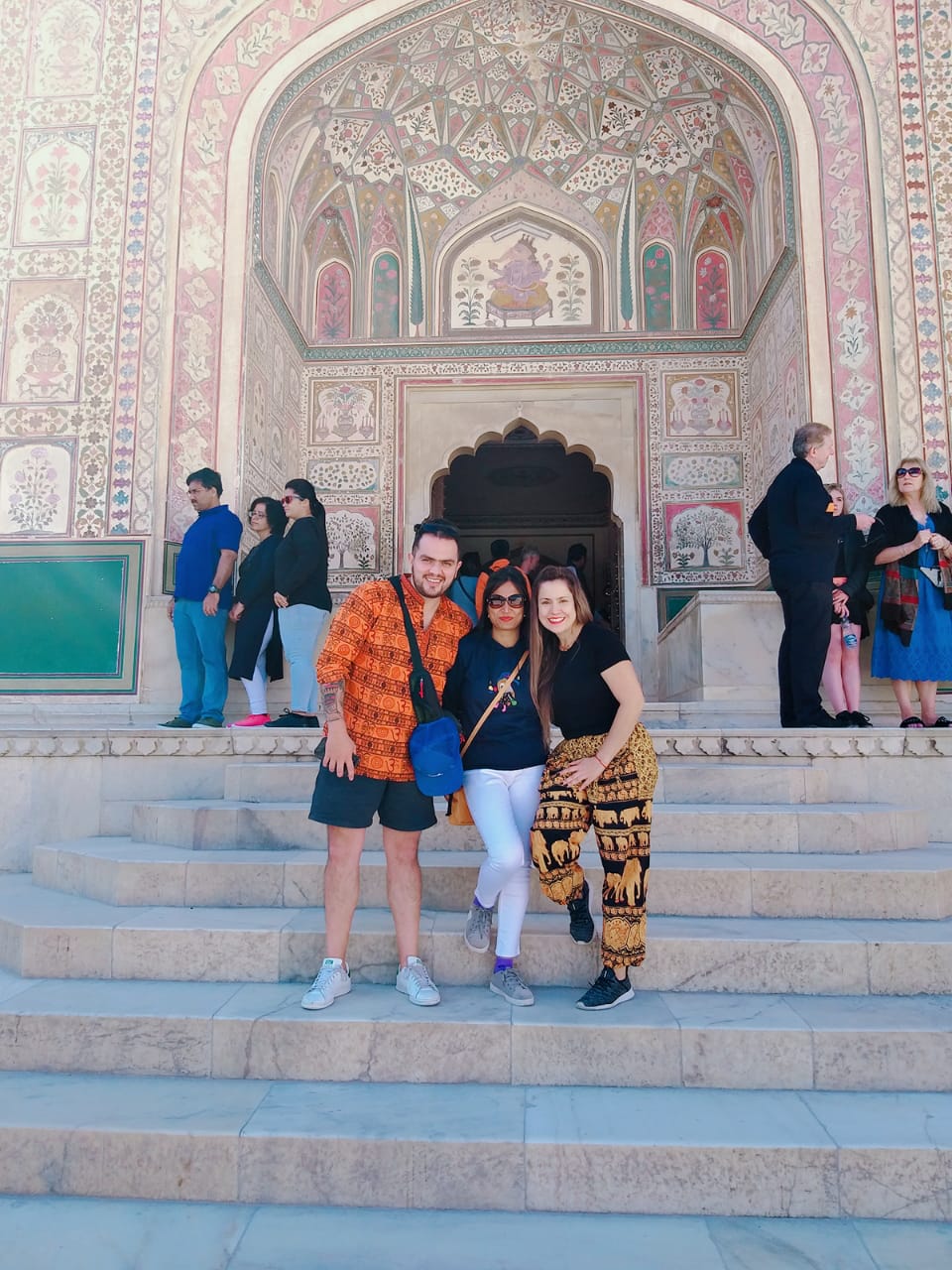
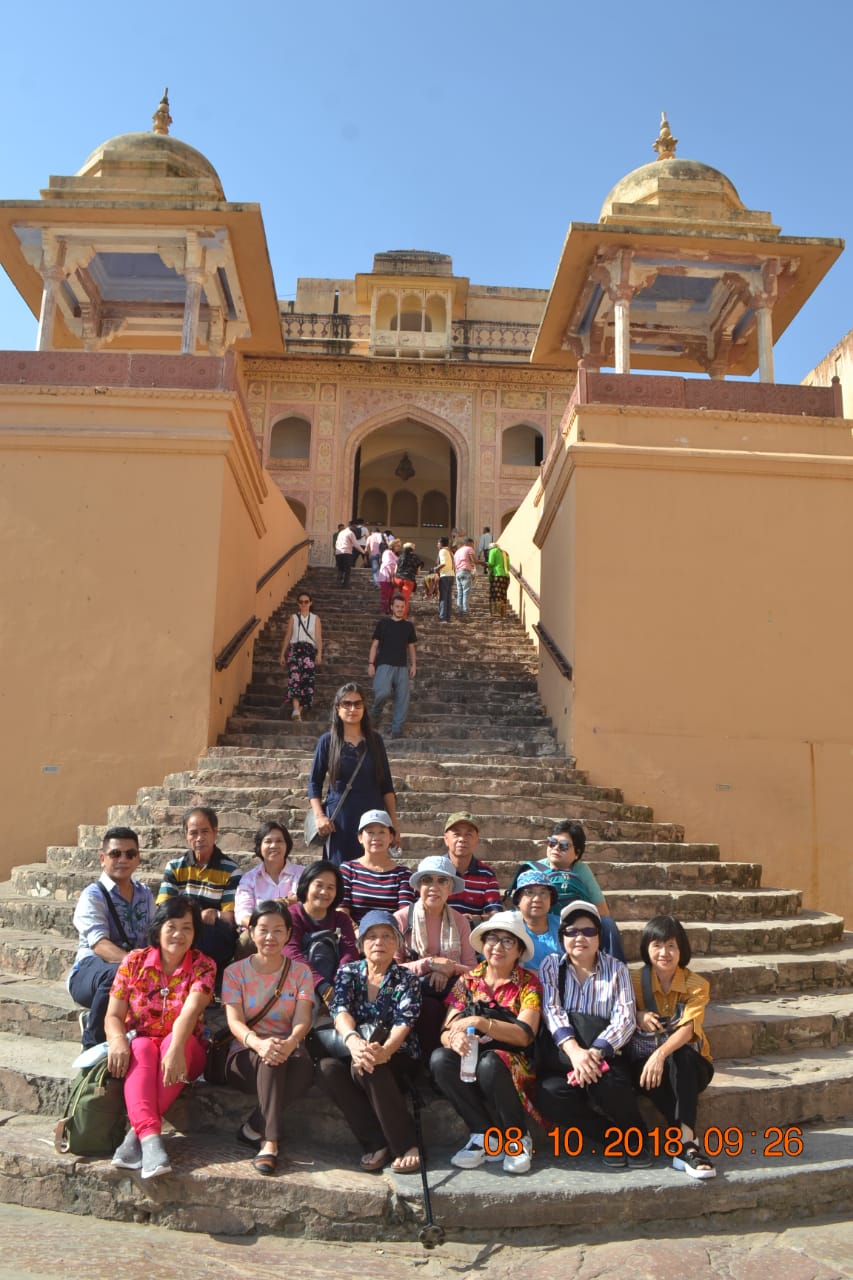
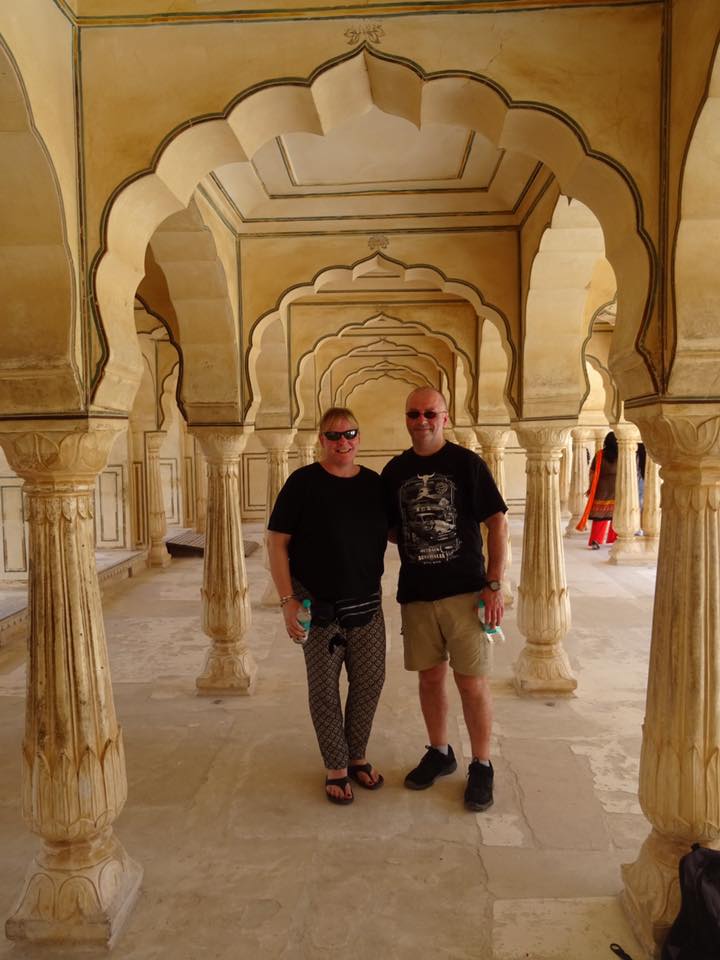
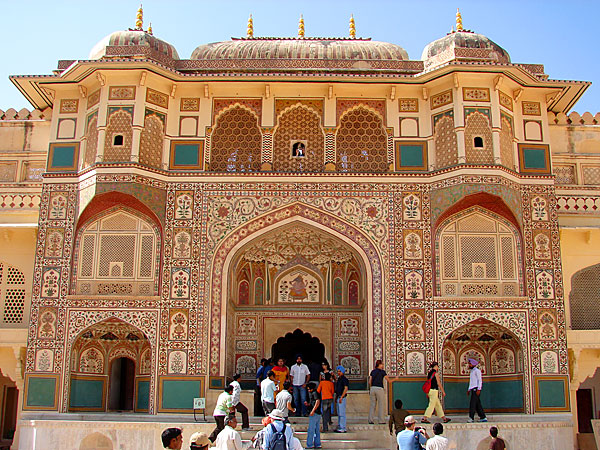
A jeep or decorated elephant ride takes you up to the main gate, where the fort's Rajput and Mughal architectural influences merge in spaces like the Sukh Niwas and Jas Mandir apartments. The Ganesh Pol gateway, painted with images of the elephant-headed god Ganesh, marks the entrance to the palace's private quarters. Tip: the walk through the fort involves uneven stone stairways — comfortable shoes matter more here than anywhere else on the day. Ask your guide about the jeep/elephant option in advance, since slots fill quickly in peak season (October–March).
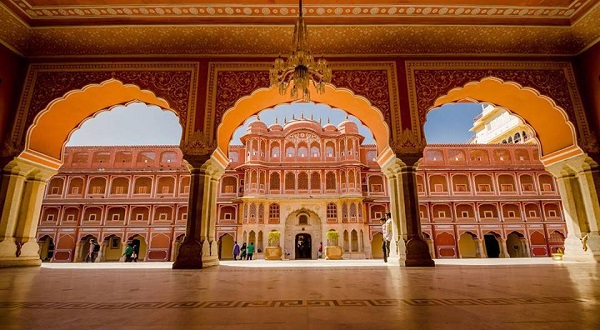
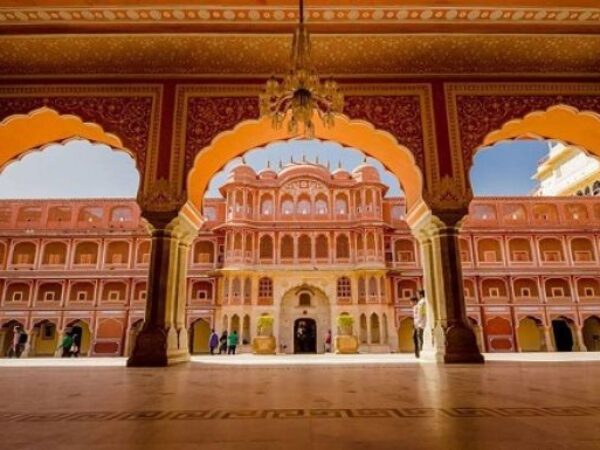
The City Palace houses a museum of Rajasthani royal costumes and a Mughal-Rajput armoury reflecting centuries of shifting alliances between the two powers, alongside a gallery of miniature paintings and carpets. Tip: indoor and air-conditioned — a good midday break if the day has turned hot.
Built by Jaipur's founder, Maharaja Jai Singh II, in the 18th century, the observatory's stone instruments were used to track celestial movements and calculate the astrological calendar that governed both royal and religious life. Its largest sundial remains accurate to roughly two seconds. Tip: ask your guide to demonstrate the sundial directly rather than just walking past it — most visitors miss how precise it actually is.
The roughly 5-hour drive to Delhi, with drop-off at your hotel or New Delhi Airport. Tip: if you have a flight that evening, mention this at pickup so timing accounts for it — this drive's duration varies more with traffic than the earlier legs of the day.
Have a question before booking? Message us to learn more.
Login to use
Duration
Group size
Login to use
Duration
Group size
Login to use
Login to use
Login to use
Login to use